



Product
Reducing our impact on the environment
Every product has an impact across its lifecycle, from design and material sourcing to manufacturing, use and disposal. To help reduce these impacts, we aim to increase the use of preferred, certified and traceable materials in our collections, based on Hunkemöller’s internal material ranking and supporting documentation. More information on these materials can be found in the materials chapter below.
Alongside our work to reduce environmental impact, all Hunkemöller products must meet defined quality, safety and chemical requirements, as set out in our product specifications and Restricted Substances List (RSL). We work with an independent accredited laboratory to check chemical compliance through risk-based testing of finished products. If a product or material does not meet our standards, it is not accepted for sale until the issue has been resolved. Many of our textile products are also certified according to recognised third-party standards, including OEKO-TEX® STANDARD 100, which tests textiles for substances that may be harmful to human health.
Materials
Materials play an important role in the environmental impact, quality and performance of our products. Our material strategy focuses on selecting options that meet our product requirements while supporting better traceability, recognised certification and the gradual use of preferred materials across our collections.
Recycled Materials
The use of recycled materials is a key ambition in our material strategy. We use recycled materials, such as polyester and polyamide, across selected products and applications including fabrics, lace and trims. Using recycled materials can help reduce reliance on virgin raw materials and support the use of existing resources. Hunkemöller uses recycled materials certified according to recognised third-party standards, such as the Global Recycled Standard (GRS). These standards include chain-of-custody requirements that help verify recycled content and support traceability throughout the supply chain. Regardless of source, all materials used in our products are assessed against Hunkemöller’s quality requirements to ensure they are suitable for their intended use.
Natural and Man-Made Cellulosic Fibres
We use a range of natural and man-made cellulosic fibres across our collections, selected based on the intended product application, comfort, performance and our sourcing criteria. Examples of natural fibres used in our products include cotton and linen. Our man-made cellulosic fibres include viscose, modal and lyocell.
Organic Cotton
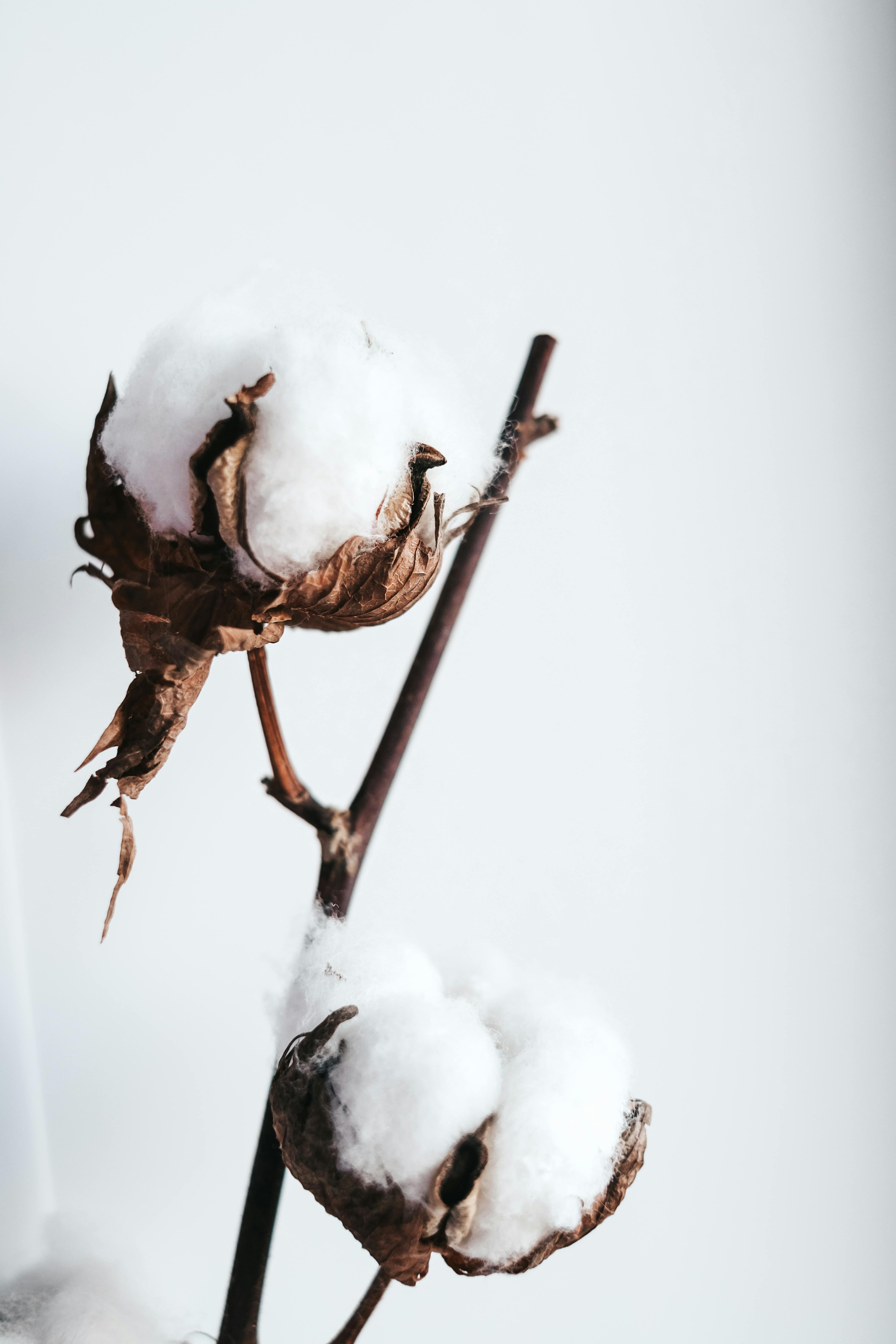
We aim to grow the share of certified organic cotton in our collections. Organic cotton is grown according to recognised organic farming standards, which prohibit the use of genetically modified (GMO) cotton and restrict the use of synthetic pesticides and fertilisers.
To help verify the origin of organic cotton and maintain traceability through the supply chain, we work with recognised certification standards including GOTS (Global Organic Textile Standard) and OCS (Organic Content Standard). These certification systems track certified organic cotton from the raw material stage through processing and manufacturing to the finished product.
LENZING™
We use LENZING™ branded materials, including LENZING™ ECOVERO™ Viscose and TENCEL™ Modal. These fibres are preferred over generic man-made cellulosic fibres because they are made from certified or controlled wood sources and offer benefits such as lower fossil energy and water use, closed-loop production processes and recognised certification, including the EU Ecolabel for LENZING™ ECOVERO™.
Birla Livaeco™
We also use Livaeco™ fibres by Birla Cellulose, including viscose, lyocell and modal. These fibres are made from renewable wood-based sources and are preferred because they support source traceability, certified forestry, reduced water use and lower greenhouse gas emissions, while offering the softness, breathability and comfort expected from man-made cellulosic fibres.
Animal-Derived Materials
Some of our products contain animal-derived materials, such as wool or cashmere. When these materials are used, they must meet Hunkemöller’s Animal Welfare Policy and be sourced from certified and traceable sources. Supporting documentation must cover the full chain of custody and all animal-derived materials must be approved by Hunkemöller's ESG team before use. Hunkemöller does not allow materials from wild or endangered animals, real fur, angora, mohair or wool from farms that practice mulesing.
Packaging
Packaging is used in different ways across our product journey. It helps present and protect our products, pack online orders, and transport products from factories to our distribution centre.
For paper-based packaging, we use FSC-certified paper as a minimum requirement. FSC stands for Forest Stewardship Council and is a certification system for paper and wood-based materials from responsibly managed forests. For plastic packaging, we aim to reduce the amount used where possible and prioritise recycled content where plastic is still needed. For example, products are shipped from suppliers to the distribution centre in recycled polybags. We also have a hanger collection programme in the Netherlands, Belgium, Germany, Luxembourg and France, which collects used hangers and recycles them into new hangers.