

Product
Reducing our impact on the environment
We are taking many steps to reduce our impact on the environment. When designing a product, we select the best materials as possible for our products, based on social and environmental sustainability criteria along every step in a product’s lifecycle. So, from raw materials to production, to transport, to use by customers, to the waste phase. We aim to focus on innovation, responsible and better materials and define the materials in these categories as preferred or Together Tomorrow materials. By focusing on social and environmentally beneficial choices, we can boost renewable- and minimise our use of exhaustible natural resources.
All products comply with Hunkemöller’s quality and safety standards, which are set out in our specifications. We have a strong focus on chemical management to verify that our finished products are meeting our stringent requirements. We have strict specifications listing all the chemical substances that are prohibited during the manufacturing of our products and are proud to say that 100% of our textile products are OEKO-TEX certified. We regularly test our products and materials at certified independent laboratories to ensure full compliance and we reject products that do not meet these requirements. We do not use animal derived materials in our products.
Materials
At every stage of a product’s lifecycle - from planning and manufacturing to sales, usage, and disposal – this product will have an impact on the environment; even if it is made from a lower impact material. To reduce our impact on people and the environment, we try to increase the use of preferred and certified materials in our collections. Learn more about our materials below in our Hunkemöller Material Manual.
Recycled Materials
The use of recycled materials is a key ambition in our material strategy. We use recycled materials such as polyester, nylon, and elastane across many of our products. Using recycled materials helps us save water and chemicals, divert waste from landfill and conserve the earth's natural resources by reducing our dependency on virgin materials. Hunkemöller only uses recycled materials that are certified to common third-party standards. Third-party certification, especially certification according to a standard based on chain of custody, reduces risk and provides the highest level of assurance along the supply chain.
Recycled Polyester
By recycling discarded polyester materials, we can reduce our dependence on petroleum as a source of raw material, as well as our reliance on virgin polyester production, which requires significant energy and resources. There is no difference in quality between recycled and conventional polyester.
Recycled Polyamide
Recycled polyamide, commonly known as nylon, is made from post-consumer waste such as discarded fishing nets, carpet fibres, and industrial plastic. We embrace recycled polyamide for its ability to reduce waste and minimize environmental impacts in comparison to the virgin polyamide. There is no difference in quality between recycled and conventional polyamide.
Recycled Cotton
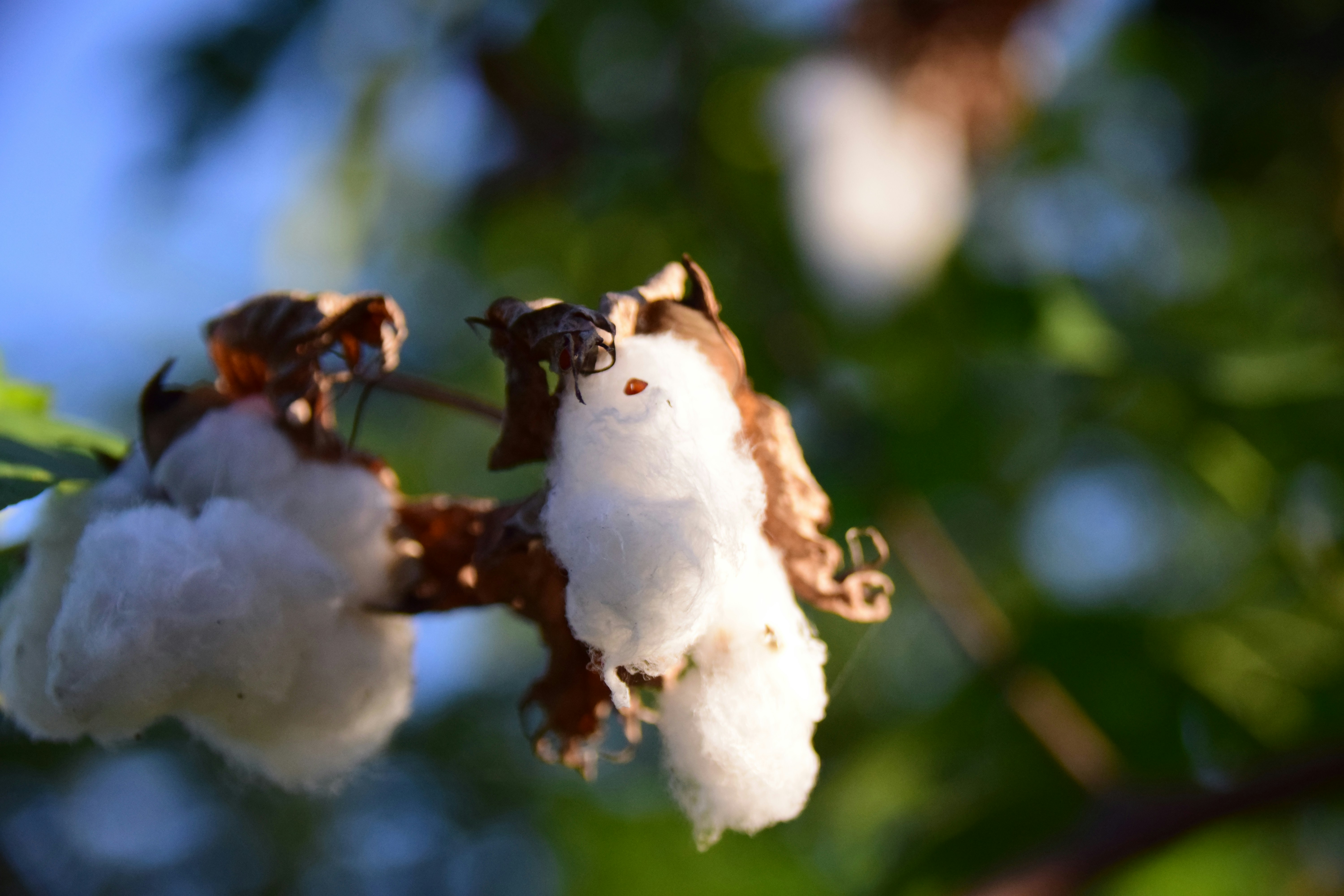
Organic Cotton
Better Cotton
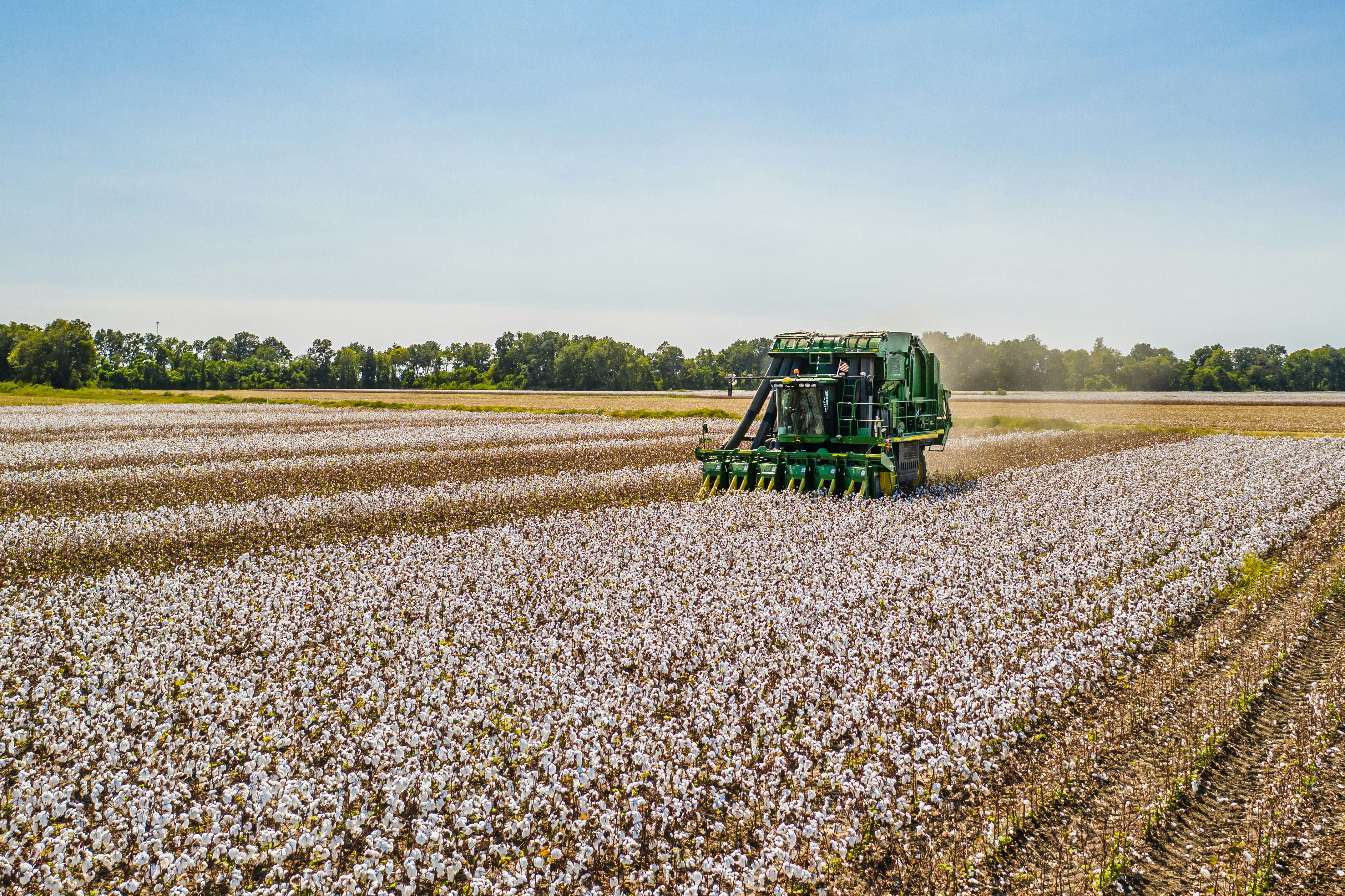
Hunkemöller is a proud member of Better Cotton. Better Cotton’s mission is to help cotton communities survive and thrive, while protecting and restoring the environment. Better Cotton is sourced via a system of mass balance and is not physically traceable to end products. Sourcing from Better Cotton is not about a content claim on a product, but rather about creating demand and encouraging more farmers to adopt sustainable practices. We use BCI cotton when organic cotton is not feasible or available and are committed to sourcing 100% of our cotton as Better Cotton, recycled cotton, or organic cotton.

Other Natural Fibres
Natural fibres, such as linen and hemp are biodegradable and recyclable materials, meaning they can be naturally broken down by micro-organisms and help relieve the landfills. In comparison to conventional cotton agriculture, linen and hemp use fewer resources such as water, energy, pesticides, insecticides, and fertilizers. Moreover, linen can grow in poor soil, which is not used for food production.
Bamboo is the fastest growing woody plant on Earth. Bamboo is drought-tolerant and requires minimal water. Certified FSC Bamboo ensures that the raw material used for creating the bamboo viscose fiber comes from responsibly managed forests that provide environmental, social, and economic benefits.
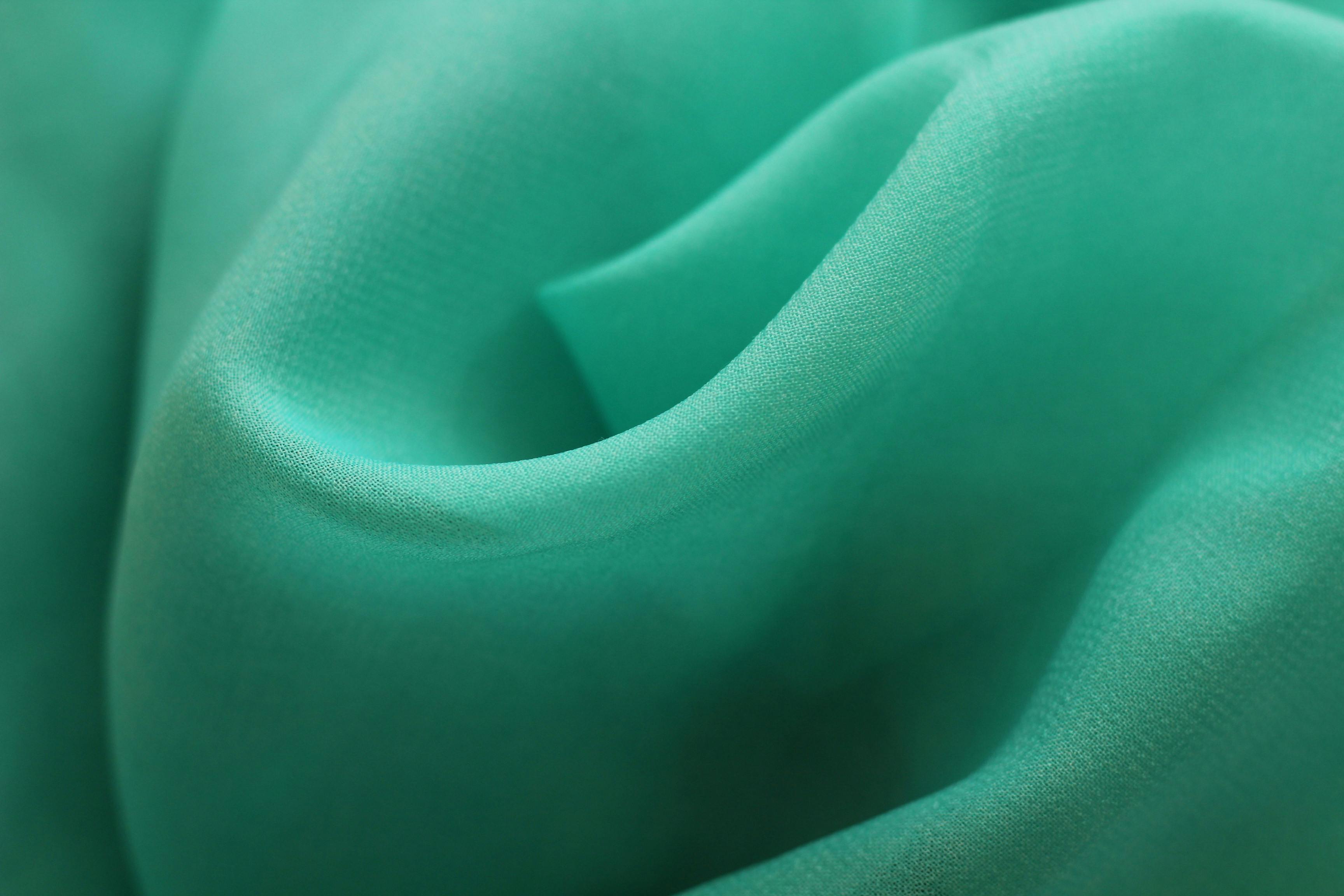
LENZING™ ECOVERO™


Material certifications
Working with certified material standards is important to us, since it enables us to identify the fibres used across each production step. The main standard that we use is the Global Recycle Standard (GRS), a standard that sets requirements for third-party certification of recycled content, chain of custody, social and environmental practices, and chemical restrictions. We also use the Recycled Claim Standard (RCS) for products that contain at least 5% percent recycled material.
Packaging
We prioritize recycled materials for packaging wherever feasible, with initiatives already in place such as our hangers in-store made from recycled plastic, a hanger collection program from our stores in select countries for recycling and single-pack polybags made entirely from recycled plastic.
End of life cycle
When your beloved garment has reached the end of its life, donating, recycling, or repurposing textiles can help reduce waste and foster a circular fashion movement. These practices encourage responsibility while giving materials a second life.